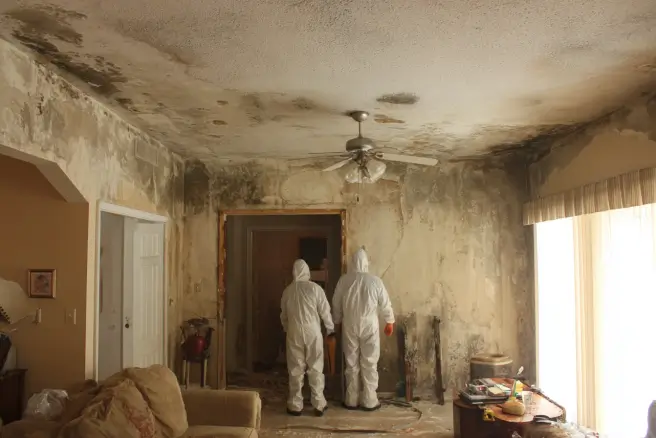
Mold remediation is a specialized process designed to remove mold growth and prevent its recurrence in indoor spaces. This process not only targets visible mold but also addresses the underlying causes of mold growth, such as moisture issues, poor ventilation, or water damage. Understanding how this process works can help homeowners and building managers take proactive steps to maintain a healthier indoor environment.
Step 1: Inspection and Assessment
- Identify visible mold growth.
- Conduct air quality testing to detect unseen mold spores.
- Assess moisture levels using tools like hygrometers or infrared cameras.
This crucial step helps determine the extent of contamination and guides the development of a tailored remediation plan.
Step 2: Containment
- Affected areas are isolated using plastic sheeting or other barriers.
- Negative air pressure machines may be installed to prevent cross-contamination.
- HVAC systems are often turned off or sealed to avoid spreading spores throughout the building.
Step 3: Mold Removal
- Non-porous surfaces like glass, metal, or tile are cleaned using specialized detergents.
- Porous materials such as drywall, carpets, or insulation may need to be removed and replaced if deeply infiltrated by mold.
Professionals use cleaning solutions that specifically target mold colonies while preventing regrowth.
Step 4: Air Filtration
- Using HEPA vacuums on surfaces and floors.
- Employing industrial-grade air scrubbers to purify indoor air quality.
This step ensures that residual spores do not linger after physical removal efforts.
Step 5: Addressing Moisture Issues
| Common Moisture Sources | Potential Solutions |
| Leaking pipes or plumbing | Repair leaks and replace damaged pipes |
| Poor ventilation | Install exhaust fans or improve airflow |
| Roof damage | Fix roof leaks and inspect for weak spots |
| Rising humidity levels | Use dehumidifiers and monitor indoor climate |
By addressing these underlying issues during remediation, professionals ensure long-term success in controlling mold growth.
Step 6: Restoration
- Repainting cleaned walls with anti-microbial paint.
- Replacing damaged drywall or flooring.
- Ensuring all repaired areas are properly sealed against future moisture intrusion.
The Importance of Mold Remediation Florida Services
Mold remediation is about more than aesthetics—it’s essential for maintaining health and safety within a home or commercial property. Left untreated, excessive mold can trigger respiratory issues, allergic reactions, skin irritation, and more severe health conditions from toxic varieties like black mold (Stachybotrys chartarum). Additionally, structural damage caused by unchecked mold growth can lead to costly repairs over time.
By understanding each step in the process, homeowners can appreciate why professional expertise is key when addressing significant infestations. Proper remediation not only eliminates existing threats but also safeguards against future problems through comprehensive prevention strategies.
How to Choose the Best Florida Mold Removal Company Florida for Your Needs
When dealing with mold in your home or workplace, selecting the right professional mold removal company is a critical step. Not all companies provide the same level of expertise, service quality, or transparency: https://www.floridajobsresources.com/mold-removal
Here’s a guide to help you make an informed choice.
Assess Their Qualifications and Certifications
Before hiring a mold removal company, verify their qualifications. Professionals in this field should have certifications that demonstrate their expertise and adherence to industry standards. Look for:
– IICRC Certification: The Institute of Inspection, Cleaning and Restoration Certification ensures trained technicians follow proper procedures.
– NORMI Membership: The National Organization of Remediators and Mold Inspectors provides training for mold remediation professionals.
These certifications indicate that the company is committed to safe and effective mold remediation practices.
Ask About Their Process
A reputable mold removal company should be able to explain their process clearly from start to finish. Ensure their process includes:
1. Inspection and Assessment: Identifying the source of moisture causing mold growth.
2. Containment: Preventing cross-contamination by isolating affected areas with plastic sheeting or negative air pressure systems. 3. Mold Removal: Removing contaminated materials using safe methods like HEPA vacuuming or antimicrobial treatments. 4. Drying and Dehumidification: Thoroughly drying affected areas to prevent recurrence. 5. Post-Remediation Testing (if applicable): Verifying that affected areas are free from elevated levels of mold spores.
Verify Insurance Coverage
Accidents can happen during remediation projects, so it’s important the company carries adequate insurance coverage, including liability insurance and worker’s compensation policies.
Check References and Reviews
Spend time researching reviews online through platforms such as Google, Yelp, or the Better Business Bureau (BBB). Also, ask for references directly from the company so you can speak with past clients about their experiences.
Sample Checklist for Researching Mold Remediation Companies:
| Criteria | Verified? (Yes/No) | Notes |
| Certifications (IICRC/NORMI) | ||
| Years of Experience | ||
| Transparent Process | ||
| Insurance Coverage | ||
| Customer Reviews |
Compare Costs But Don’t Compromise Quality
While affordability is important, it should not be your sole deciding factor when choosing a company. Obtain multiple quotes but prioritize companies that offer clear estimates without hidden fees while maintaining high service standards.
Warranties and Customer Support
Reputable companies often offer warranties on their work as a sign of confidence in their services. Ask if they provide post-remediation support in case issues reoccur.
By thoroughly evaluating potential companies based on these criteria, you can ensure you partner with skilled professionals who will address your mold issue effectively while protecting your health and property integrity.
How to Choose the Best Professional for Mold Inspection Florida Services
Selecting the right professional mold removal company is essential for ensuring that mold-related problems are addressed effectively and safely. With a variety of companies offering services in this field, knowing what to look for can save you time, money, and potential headaches. Here’s a detailed guide to help you make an informed decision.
Look for Proper Certification and Licensing
When evaluating a mold removal company, ensure they have the appropriate certifications and licenses required by your state or country. Reputable companies often hold certifications such as:
– IICRC (Institute of Inspection, Cleaning and Restoration Certification): This certifies that the company adheres to industry standards in mold remediation.
– NORMI (National Organization of Remediators and Mold Inspectors): Indicates specialized training in mold inspection and removal practices.
A certified professional ensures compliance with health and safety standards during the remediation process.
Evaluate Their Experience
Experience matters when dealing with mold, as complex situations often require advanced skills. Ask potential companies:
– How many years they have been in business.
– If they have experience handling cases similar to yours (e.g., extensive black mold infestations or hard-to-reach areas).
An experienced company is more likely to identify hidden mold growths and apply effective solutions tailored to your situation.
Assess Their Process
A trustworthy company should outline its remediation process clearly. The following steps generally indicate a thorough approach:
1. Inspection: Identification of affected areas using advanced tools like moisture meters or thermal imaging cameras.
2. Containment: Preventing cross-contamination by sealing off problem areas with plastic sheeting or negative air pressure systems.
3. Removal: Safe disposal of contaminated materials using HEPA vacuums or eco-friendly cleaning agents. 4. Prevention: Recommendations for long-term solutions such as improving ventilation or addressing leaks.
If a company skips essential steps like containment, it may compromise the quality of their work.
Verify Insurance Coverage
Make sure the mold removal company has adequate insurance coverage, including:
– General liability insurance to cover accidental damage during the job. – Pollution liability insurance specifically tailored for environmental work like mold remediation.
This protects both you and the workers should any issues arise during treatment.
Check Reviews and References
Customer reviews are an invaluable resource when vetting potential companies:
– Look up online reviews on platforms such as Google Business, Yelp, or Better Business Bureau (BBB). – Request references from previous clients who faced similar issues in their homes or buildings.
Reading testimonials can provide insight into the company’s professionalism, punctuality, and effectiveness.
| Key Review Factors | What To Look For |
| Timeliness | Did they complete work on schedule? |
| Communication | Were questions addressed promptly? |
When to Call in Experts for Mold Testing Florida to Address Severe Issues
Mold growth can be a serious problem in homes and commercial spaces, potentially causing structural damage and health concerns. While minor mold issues can sometimes be handled with DIY methods, certain situations warrant the expertise of professional mold remediators. Knowing when to seek professional help can save time, prevent further damage, and ensure the complete removal of harmful spores.
Signs You Need Professional Mold Remediation
- When mold covers an area larger than 10 square feet, it’s no longer considered a minor issue.
- Large-scale infestations often indicate underlying problems like water damage or poor ventilation that require expert assessment.
- An ongoing musty smell, even after cleaning, suggests hidden mold growth in areas such as walls, ceilings, or HVAC systems.
- Professionals have specialized tools like moisture meters and infrared cameras to locate concealed mold colonies.
- Unexplained respiratory issues, allergies, skin irritation, or worsening asthma can indicate exposure to high levels of mold spores.
- Vulnerable individuals—such as children, the elderly, or those with compromised immune systems—are especially at risk.
- Past flooding or ongoing leaks create the perfect environment for mold growth.
- If you’ve experienced water intrusion recently or notice signs like discolored walls and peeling paint, an inspection is highly recommended.
- If you’ve attempted cleaning but notice regrowth after a short period, it could mean that you missed the root cause.
- Professionals ensure long-term results by addressing both visible mold and underlying moisture sources.
Benefits of Hiring Professional Mold Remediators
- Comprehensive Inspection: Trained teams conduct thorough evaluations using advanced equipment to detect hidden mold.
- Containment: Professionals establish containment zones to prevent the spread of spores during remediation.
- Proper Removal: Specialized solutions and techniques (e.g., HEPA vacuuming) are employed for safe removal.
- Preventative Measures: Experts identify sources of moisture contributing to growth and provide recommendations for prevention.
- Certified Expertise: Many professionals hold certifications from organizations like the IICRC (Institute of Inspection Cleaning and Restoration Certification) or NORMI (National Organization of Remediators and Mold Inspectors).
| Issue | DIY Attempt Outcome | Professional Solution |
| Large Area Growth | Risk of incomplete removal | Specialized tools & expertise |
| Hidden Mold | Difficult to locate | Advanced detection equipment |
| Repeated Regrowth | Temporary fixes | Permanent remediation solutions |
How Professionals Address Severe Cases
The process typically involves:
1. Identifying all affected areas with detailed inspections.
2. Isolating contaminated zones using barriers like plastic sheeting and negative air pressure machines. 3. Removing porous materials that cannot be salvaged (e.g., drywall).
4. Cleaning surfaces thoroughly with antimicrobial treatments. 5. Drying affected spaces completely using dehumidifiers or industrial-grade fans.
When facing severe cases of mold infestation or persistent problems beyond your control, contacting certified professionals is vital for restoring safety and preventing long-term consequences for your property and health.
Is All Mold Dangerous? Understanding Toxic vs. Non-Toxic Molds
Mold is a natural part of the environment and plays a critical role in breaking down organic matter. However, not all molds are created equal. While some molds pose minimal risk to your health, others can be quite hazardous, especially when present in large quantities indoors. To effectively deal with mold issues, it’s important to understand the difference between toxic and non-toxic molds and their potential dangers.
What Makes Mold “Toxic”?
The term “toxic mold” is often used to describe certain species of mold that produce mycotoxins—chemical byproducts that can be harmful to humans and animals. These molds can cause a range of health problems, particularly for individuals who are sensitive or have pre-existing respiratory conditions.
Some common examples of toxic molds include: – Stachybotrys chartarum (Black Mold): Known for its slimy black or greenish appearance, Stachybotrys is infamous for producing mycotoxins that can trigger severe allergic reactions and respiratory distress. – Aspergillus: Found both indoors and outdoors, certain Aspergillus species produce mycotoxins that may affect lung function. – Penicillium: While some Penicillium species are beneficial (used in creating antibiotics), others can produce toxins harmful when inhaled.
Non-Toxic Molds: Are They Harmless?
Non-toxic molds do not produce harmful mycotoxins but can still cause problems in certain circumstances. For example: – Allergic Reactions: Even non-toxic molds release spores into the air that may trigger allergies or asthma symptoms in sensitive individuals. – Structural Damage: Molds like Cladosporium or Alternaria can compromise walls, furniture, or other surfaces if left unchecked.
Symptoms of Mold Exposure
Health effects from mold exposure vary depending on the type of mold and individual sensitivity. Potential symptoms include: – Allergic reactions: Sneezing, runny nose, red eyes – Respiratory issues: Coughing, wheezing – Skin irritation: Rashes or itching – Chronic fatigue or headaches
Those at higher risk—such as children, the elderly, or people with compromised immune systems—may experience more severe reactions.
| Type of Mold | Appearance | Potential Risks |
| Stachybotrys (Black Mold) | Slimy black/green | Mycotoxin exposure; respiratory issues |
| Aspergillus | Greenish/yellow | Allergies; lung infections |
| Penicillium | Blue/green with velvety texture | Allergies; structural damage |
| Cladosporium | Black/brown spots | Allergies; damage to fabrics/surfaces |
Tips for Preventing Dangerous Molds Indoors
To minimize your risk of exposure to both toxic and non-toxic molds: 1. Control humidity levels (ideally between 30–50%). 2. Fix leaks promptly in roofs, windows, or pipes. 3. Ensure good ventilation in moisture-prone areas like bathrooms and kitchens. 4. Clean up spills immediately and dry wet materials within 24–48 hours. 5. Use mold-resistant products when renovating (e.g., drywall with anti-mold properties).
By understanding which types of mold are dangerous—and taking proactive steps to prevent their growth—you can create a safer living environment for yourself and your family. Regular inspections and maintenance play an essential role in keeping your home free from unwanted mold problems.
Is Your Bathroom a Breeding Ground for Mold Growth? Identifying Warning Signs
Bathrooms are one of the most common areas in homes where mold growth can thrive. The constant presence of moisture, lack of adequate ventilation, and warm temperatures create the perfect conditions for mold to grow and spread. Identifying warning signs early can help prevent costly repairs and health issues associated with mold exposure.
Why Bathrooms Are Prone to Mold Growth
- Poor Ventilation: Insufficient airflow traps humidity in the space.
- Frequent Water Spills: Leaks or splashes around sinks, bathtubs, or showers provide water sources for mold.
- High Humidity Levels: Without proper dehumidification, moisture lingers in the air.
- Hidden Water Damage: Undetected leaks behind walls or under tiles can harbor mold colonies.
Early Warning Signs of Bathroom Mold
- Black, green, or orange spots on grout lines between tiles.
- Stains on ceilings or walls near plumbing fixtures.
- Dark patches around sink basins or bathtubs.
- A damp or earthy smell that lingers even after cleaning.
- This could indicate trapped moisture behind walls where mold may be growing.
- Frequent sneezing, coughing, skin irritation, or respiratory issues may point to unseen mold exposure.
- Consistent water droplets on windows, mirrors, or walls signal high humidity levels that encourage mold growth.
Common Areas in Bathrooms Where Mold Thrives
| Area | Why It’s Vulnerable |
| Shower Corners | Constant exposure to water and soap residue |
| Tile Grout | Porous material absorbs moisture |
| Under Sinks | Leaks from pipes provide hidden water sources |
| Ceiling Fans | Traps dust and retains moisture from steam |
| Behind Toilets | Hard-to-reach areas prone to condensation |
Preventative Measures for Bathroom Mold
- Use Exhaust Fans: Run a fan after showers or baths to reduce humidity levels.
- Seal Grout Lines: Apply waterproof sealant regularly to prevent moisture absorption.
- Fix Leaks Promptly: Repair any dripping faucets or broken pipes immediately.
- Clean Regularly: Scrub surfaces prone to moisture buildup with mild cleaners.
- Install a Dehumidifier: If your bathroom lacks proper ventilation, consider using a small dehumidifier designed for tight spaces.
Detecting warning signs early and implementing preventative practices will significantly reduce the risk of bathroom mold growth while maintaining a healthy indoor environment.
Is Your Bathroom a Breeding Ground for Mold Growth? Identifying Warning Signs
Bathrooms are among the most common areas in a home where mold thrives. This is largely due to the environment they create – a combination of high humidity, poor ventilation, and constant exposure to water. Identifying early warning signs of mold growth in your bathroom can help you address potential problems before they escalate into more serious health or structural issues.
Early Signs of Mold Growth in Bathrooms
- Visible Dark Spots or Patches
Look for black, green, or brown spots on surfaces like grout lines, shower curtains, tiles, ceilings, and walls. These discolorations are often a telltale sign of mold growth. - Musty Odors
A persistent musty or earthy smell in your bathroom is another strong indication of hidden mold. Lack of proper ventilation can amplify these odors. - Peeling or Bubbling Paint
Mold thrives beneath paint when moisture becomes trapped in walls. If you notice paint peeling away from surfaces or forming bubbles, investigate further for underlying mold problems. - Allergy-like Symptoms
Experiencing symptoms such as sneezing, coughing, itchy eyes, or difficulty breathing while in the bathroom could indicate exposure to airborne mold spores.
Common Areas Prone to Mold Development
| Area | Potential Cause | How Mold Develops |
| Grout Lines and Tiles | Water accumulation during showers and baths | Moisture trapped between tiles allows spores to grow |
| Shower Curtains/Doors | Frequent contact with water and soap residue | Damp surfaces become breeding grounds for mildew |
| Ceilings | Poor ventilation trapping humid air | Moisture from steam collects near the ceiling |
| Underneath Sinks | Leaks from pipes or faucets | Persistent dampness creates ideal conditions for mold |
| Window Frames | Condensation buildup on glass panes | Excess moisture collects around frames |
Preventative Measures
- Use an exhaust fan during and after showers/baths.
- Open windows periodically if possible.
- Consider a dehumidifier if your bathroom stays humid consistently.
- Clean tiles and grout with anti-microbial sprays.
- Wash shower curtains regularly with hot water.
- Remove soap scum promptly as it can feed mildew.
- Inspect under sinks and around pipes for any drips.
- Repair cracked caulking around tubs and sinks that could allow water seepage.
- Keep indoor humidity levels below 50%.
- Wipe down wet surfaces like countertops after use.
By recognizing these signs early on and implementing preventative measures, you can stop minor issues from turning into costly repairs while maintaining a healthy living environment free from harmful molds.
- Understanding Mold Removal Florida: The Process and What It Involves
- Effective Mold Removal Florida: Protecting Your Home from Hidden Threats
- Choosing the Best Florida Mold Removal Company Florida: What You Need to Know
- Health Risks of Using Bleach for Mold Removal Florida Homes
- Mold Remediation Florida: Expert Services to Restore Your Home
- Effective Strategies for Mold Remediation in Florida
- Understanding Mold Remediation in Florida and How It Spreads in Homes